1. What is Living Liver Donation?
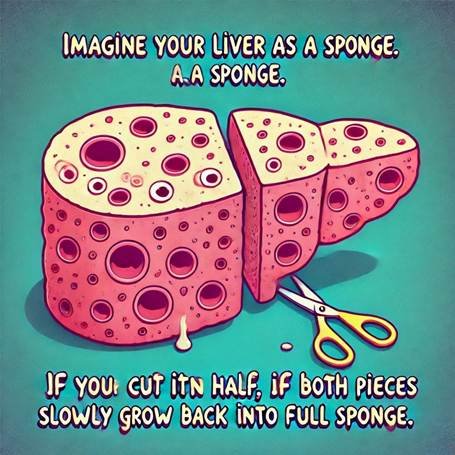
The liver is a unique organ—it can regenerate! This means a living person can donate part of their liver (usually 20–60%) to someone whose liver is failing. Over time, both the donor’s and recipient’s livers regrow to full size. Living liver donation saves lives, especially for patients who might die waiting for a deceased donor transplant.
2. What is Donor Advocacy?
Living liver donor advocacy is about protecting and supporting donors throughout their journey. Advocates ensure donors:
- Understand the risks and benefits.
- Are not pressured or paid to donate.
- Receive proper medical/emotional care before, during, and after surgery.
Think of advocates as a donor’s “guardian angels” who prioritize their well-being.
3. Roles of Donor Advocates
A. Education & Informed Consent
Advocates ensure donors know:
- The surgery process (e.g., 4–8 hours under anaesthesia).
- Risks like infection, bile leaks, or rare complications (≤0.1% death risk).
- Long-term impacts (e.g., 6–12 weeks recovery, scar formation).
Illustration:
A donor advocate might use a quiz to confirm the donor understands key facts, like:
“True or False: My liver will grow back to its original size within 6 months.”
(Answer: True!)
B. Emotional Support
Donors often feel pressure to “be a hero.” Advocates screen for:
- Coercion (e.g., family guilt-tripping).
- Mental health readiness (e.g., anxiety about surgery).
C. Financial Protection
Donors face costs like travel, lost wages, or childcare. Advocates help them access:
- Employer leave programs.
- Grants (e.g., National Living Donor Assistance Centre).
4. Illustrations of Advocacy in Action
- Case Study 1: Maria, 28, wants to donate to her brother but fears losing her job. An advocate helps her secure unpaid leave.
- Case Study 2: An advocate stops a donation when tests reveal the donor (a college student) was secretly paid by the recipient’s family.
5. Psychological Health of Donors After Donation
Most donors feel proud and fulfilled, but some face challenges:
Positive Outcomes
- “Helper’s High”: Joy from saving a life.
- Stronger Relationships: Especially if donating to a loved one.
Challenges
- Guilt or Grief (if the recipient dies or has complications).
- Anxiety about their own health post-surgery.
- Post-Depression (10–20% of donors), often linked to poor pain management or lack of support.
How Advocacy Helps
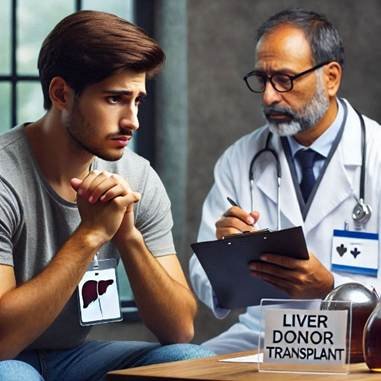
- Mandatory Counselling: Many programs require mental health checkups.
- Support Groups: Donors share stories and coping strategies.
- Long-Term Follow-Ups: Hospitals monitor donors for years.
6. Ethical “Musts” in Advocacy
- No Profit: Donors should never be paid (to avoid exploitation).
- Voluntary Choice: Donors can back out anytime, even last-minute.
- Fair Access: Advocacy ensures race, income, or gender don’t block donation chances.
7. The Bigger Picture
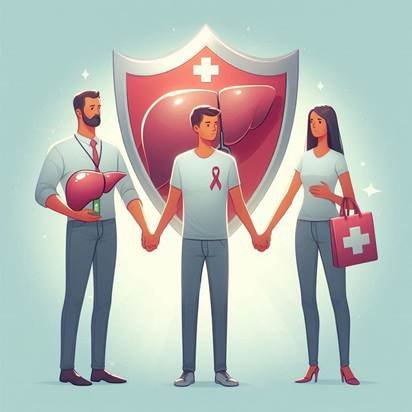
Living liver donors are heroes, but they need heroes too—advocates. By safeguarding donors’ physical, emotional, and financial health, advocacy ensures donation remains a safe, ethical, and life-saving gift.
Key Takeaways:
- Advocacy = Donor safety + empowerment.
- Psychological support is as vital as medical care.
- Always ask questions and seek advocates!